
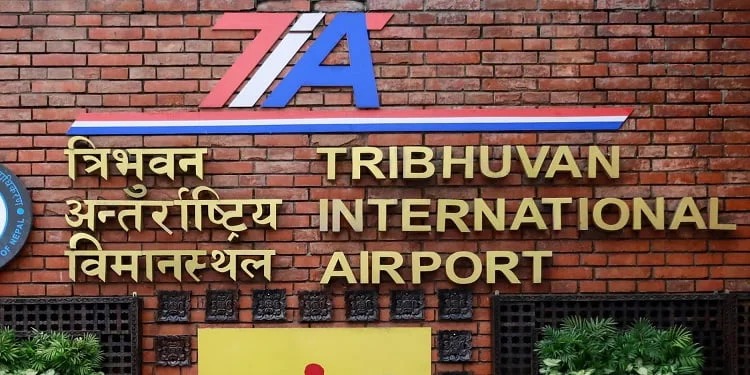
Every year, thousands of Nepali travelers fly abroad from Tribhuvan International Airport for work, study, tourism, family visits, and business travel. However, many passengers still face delays, questioning, or even travel rejection during immigration clearance at Kathmandu airport. This has become one of the most searched travel concerns in Nepal.
Questions like these are extremely common:
- Why does immigration stop passengers at TIA?
- What questions do immigration officers ask?
- Can immigration cancel my flight?
- What documents are required?
- Why are labor travelers stopped?
- Why are students questioned?
- What mistakes should travelers avoid?
The truth is simple: immigration officers are mainly checking whether your travel purpose, documents, and overall travel profile are genuine and legally valid. Most travelers are not stopped randomly.
In many cases, problems happen because:
- documents are incomplete
- travelers do not understand their visa properly
- answers during questioning become inconsistent
- fake information is provided
- passengers blindly trust agents without understanding paperwork
This guide explains the major reasons Nepali travelers get stopped at TIA immigration and how to avoid common airport problems before your international flight.
What Does Immigration Actually Check at TIA?
Immigration officers at Tribhuvan International Airport are responsible for verifying:
- identity
- visa validity
- travel purpose
- legal documentation
- possible human trafficking risks
- suspicious travel behavior
Their job is not simply stamping passports. They are checking whether passengers genuinely qualify to leave Nepal legally.
This is especially strict for:
- labor travelers
- first-time international travelers
- students
- young travelers with unclear documentation
- passengers traveling through risky routes
Most Common Reasons Nepali Travelers Get Stopped at Immigration
1. Inconsistent Answers During Questioning
This is one of the biggest reasons passengers face problems.
Immigration officers may ask:
- Why are you traveling?
- Who paid for your ticket?
- Where will you stay?
- Which company hired you?
- Which university are you attending?
- How long will you stay?
Many passengers panic and give:
- confusing answers
- contradictory information
- memorized fake responses
That immediately creates suspicion.
Example Problems
- student cannot explain university details
- labor worker does not know employer name
- tourist cannot explain travel plan
- passenger gives different answers than visa application
Immigration officers notice these inconsistencies quickly.
2. Fake or Suspicious Documentation
This is a serious issue.
Passengers sometimes travel with:
- fake hotel bookings
- fake bank statements
- suspicious invitation letters
- manipulated documents
- fake employment papers
Immigration officers are trained to identify suspicious paperwork.
Using fake documents can lead to:
- travel cancellation
- investigation
- blacklisting
- legal consequences
Never depend on fake paperwork arranged by unknown agents.
3. Labor Travelers Not Understanding Their Own Documents
This happens very often.
Some labor travelers:
- never read contracts
- do not know visa category
- cannot explain job role
- do not know destination company details
That creates immediate concern during immigration questioning.
Important Advice for Labor Travelers
Before traveling, verify:
- labor approval
- visa type
- employer details
- destination city
- salary agreement
- manpower company legitimacy
4. Student Travelers Carrying Incomplete Documents
Students are frequently questioned because many fake consultancy cases have happened in Nepal.
Students should carry:
- admission letter
- tuition payment proof
- accommodation details
- financial documents
- university contact details
Many students get nervous when officers ask:
- Which course are you studying?
- Why did you choose this university?
- Who is funding your education?
If answers become unclear, questioning increases.
5. Suspicious Tourist Travel Profiles
Tourist travelers sometimes face problems when:
- they have no hotel booking
- no return ticket
- unclear travel plan
- insufficient financial proof
For example:
Someone claiming tourism but carrying almost no money creates suspicion. Tourism travel should look realistic and properly planned.
6. Human Trafficking Risk Concerns
Nepal immigration authorities actively monitor possible human trafficking situations.
Extra questioning may happen if:
- travel route looks suspicious
- passenger appears unaware of travel details
- documents were arranged by unknown third parties
- passenger cannot explain destination purpose properly
This is especially common among:
- vulnerable labor travelers
- young female travelers
- high-risk transit routes
7. Passport or Visa Problems
Even small passport issues can create serious airport problems.
Common examples:
- damaged passport
- expired passport
- incorrect visa information
- name mismatch
- missing pages
Passengers should always double-check:
- passport validity
- visa dates
- spelling accuracy
- airline ticket details
Common Questions Immigration Officers Ask
Immigration questioning is normal.
Typical questions include:
- Why are you traveling?
- Where are you staying?
- Who paid for your ticket?
- What work will you do?
- How much money are you carrying?
- Who arranged your travel?
The goal is not to scare passengers. The goal is verifying whether the travel purpose is genuine.
Biggest Mistakes Nepali Travelers Make at TIA
Arriving Without Understanding Documents
Many passengers travel without reading:
- visa details
- employment contract
- university documents
- ticket information
That becomes dangerous during questioning.
Depending Completely on Agents
Some travelers blindly trust:
- manpower agencies
- consultancies
- middlemen
- unknown travel agents
That is risky. Passengers should personally understand their own paperwork.
Giving Memorized Answers
Immigration officers easily detect scripted responses. Speak naturally and honestly.
Panicking During Questions
Nervousness itself is not a problem. But panic creates confusion. Stay calm and answer directly.
How to Avoid Immigration Problems at TIA
Organize Documents Properly
Carry:
- passport
- visa
- ticket
- hotel booking
- university documents
- employment papers
Keep them easily accessible.
Understand Your Own Travel Purpose
You should clearly know:
- why you are traveling
- where you are going
- who is sponsoring you
- where you will stay
Verify Everything Before Flight
Before departure:
- confirm visa validity
- check airline details
- verify transit rules
- review baggage allowance
Arrive Early at Airport
Passengers should usually arrive:
- at least 3 hours before departure
Late arrival increases stress and mistakes.
Are Travelers Randomly Stopped at Immigration?
Not usually. Most questioning happens because:
- something appears unclear
- documentation looks incomplete
- travel purpose seems suspicious
- answers become inconsistent
However, sometimes additional questioning may still happen randomly for verification purposes. That is normal airport procedure worldwide.
Important Advice for First-Time Travelers
First-time international travelers should prepare carefully before departure. Understanding airport procedures before travel reduces panic significantly.
Final Thoughts
Immigration problems at Tribhuvan International Airport usually happen because travelers:
- do not understand their documents
- provide inconsistent answers
- trust fake agents
- carry incomplete paperwork
- misunderstand visa rules
The reality is simple:
most passengers with genuine documents and clear travel purpose pass immigration successfully.
The smartest thing travelers can do is:
- prepare early
- understand paperwork
- answer honestly
- stay calm
- verify all travel documents before departure
International travel from Nepal becomes much easier when passengers understand the airport process properly instead of depending on rumors or incomplete social media advice.
Frequently Asked Questions (FAQ)
Why does immigration stop Nepali travelers at TIA?
Immigration officers stop passengers mainly for document verification, suspicious travel profiles, incomplete paperwork, or inconsistent answers.
Can immigration cancel my international flight?
Immigration itself does not cancel flights, but passengers may be denied departure clearance if documents or travel purpose are not valid.
What documents are required for international travel from Nepal?
Passport, visa, flight ticket, and supporting travel documents are usually required.
Are labor travelers questioned more at TIA?
Yes. Labor travelers often face additional verification related to employment documents and manpower processing.
Can students get stopped at immigration?
Yes. Students may face questioning if educational documents or financial proof appear unclear.
How can I avoid immigration problems at Kathmandu airport?
Prepare documents properly, understand your travel purpose, answer honestly, and verify all paperwork before departure.